
Repair guide · 03
Part of the building is dark.That narrows the search.
When some lights and outlets work while others do not, the pattern can point toward a branch circuit, protective device, connection, panel, service, or utility-side problem.
First observations
Map the outage safely.
From a safe location, note which rooms, outlets, lights, appliances, and major equipment are affected. Check whether neighbors have power and whether the utility reports an outage. Do not open electrical equipment or remove devices.
A single dead receptacle may have a different cause than half the property losing power. The more specific the pattern, the more efficiently the electrician can plan the first tests.
Possible causes
The first failed device may not be the source.
A tripped breaker or GFCI, loose upstream connection, damaged splice, failed device, panel issue, service-conductor problem, or utility fault can interrupt power downstream. Intermittent problems often require tracing and testing while the symptom is present.
- One room or group of outlets is dead
- Several unrelated circuits fail together
- Lights brighten or dim when equipment starts
- Power returns and fails without a clear pattern
Urgent symptoms
Know when to step away.
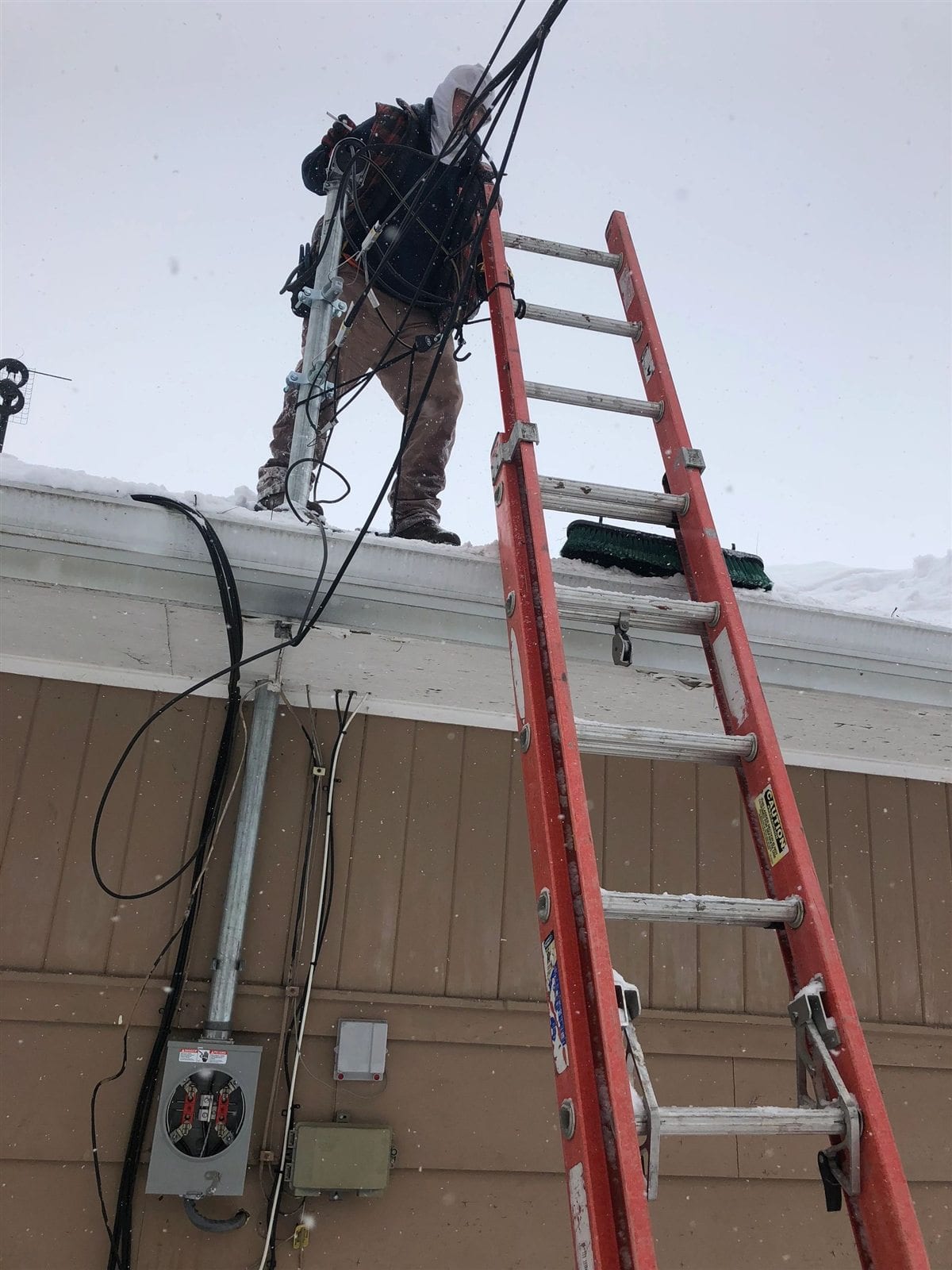
Call promptly for unusual voltage symptoms, heat, odor, buzzing, arcing, visible service damage, or an outage limited to your property after the utility confirms its supply is available.
If a power line is down, stay well away and contact the utility or 911. Treat all downed lines as energized.
Repair · explain · verify
Tell us what is happening.
Text your name, address, a short description, and safe photos for the fastest start.